
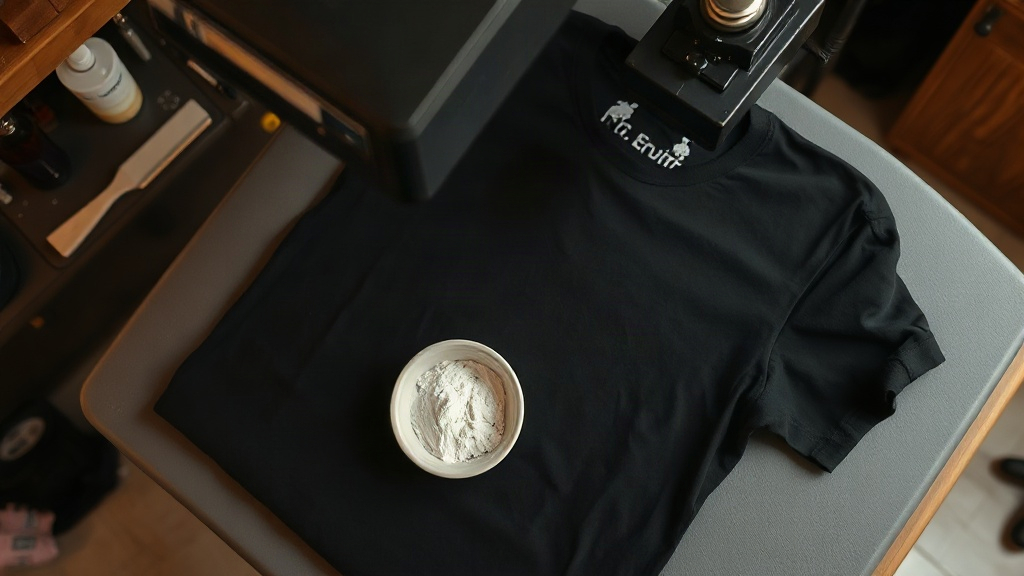
Walk into any small print shop these days and you will probably spot a roll of transfer film next to the heat press. DTF Transfers have quietly become the default option for anyone who wants full-color graphics on cotton, polyester, or a blend of the two without buying a dedicated garment printer. The appeal is simple: you print a mirror image onto a special film, dust it with adhesive powder, cure it, and press it onto a shirt. No weeding, no color separation, no minimum order from a screen printer. But the gap between a transfer that survives fifty washes and one that peels after three comes down to a handful of details most tutorials skip over.
What DTF Transfers Actually Are
DTF stands for direct to film. Unlike DTG, which prints water-based ink straight onto a pretreated garment, DTF separates the printing step from the garment entirely. You print onto a PET film coated with a release layer, using either pigment ink or, more commonly now, a two-part system with white ink underneath the color layer. The white layer is what lets the design show up on dark fabric, and it is the single biggest reason DTF overtook older transfer methods for dark shirts.
Once the ink is laid down, you cover it with a thermoplastic adhesive powder, shake off the excess, and run the film through a curing oven or under a heat source until the powder gels. That gelled powder becomes the glue that bonds the print to fabric under heat and pressure. The whole process takes minutes per sheet, which is why it fits so well into small-batch production and one-off custom orders.
Why It Beat Older Transfer Methods
Before DTF, if you wanted a full-color transfer for a dark garment, your realistic options were vinyl (limited to one or two colors), screen-printed transfers (expensive at low quantities), or sublimation (which only works on polyester and light colors). DTF removed all three constraints at once. You can print a photographic image with gradients, press it onto a black cotton tee, and get a result that holds up in the wash. That combination did not exist in an affordable form before.
Film, Ink, and Powder: What Matters
The materials side of DTF is where most quality problems originate. Cheap film curls, releases unevenly, or leaves a residue on the print. Poorly matched powder either melts too fast or refuses to adhere properly. Here is what to look for.
- Film thickness: Double-sided matte film around 75 microns is a common sweet spot. Too thin and it wrinkles in the printer; too thick and the release layer fights you during peeling.
- Ink compatibility: Pigment inks formulated for DTF are not the same as standard DTG ink. Mixing them causes clogged heads and weak adhesion.
- Powder mesh: Fine powder (around 80 to 100 microns) gives a smoother hand feel and better detail retention. Coarse powder is cheaper but leaves a gritty texture on the finished print.
- Storage: Film absorbs moisture. Keep it sealed when not in use, especially in humid climates, or you will see spotting and inconsistent release.
Printer Choices and Realistic Expectations
Entry-level DTF printers start around the price of a decent DTG machine, but the running costs tell a different story. Ink consumption is higher because of the white layer, and you will go through film and powder steadily. For a shop doing twenty to fifty shirts a week, a 13-inch printer is usually enough. Above that, a 24-inch model saves significant time because you can nest multiple designs on one sheet.
One thing worth knowing before you buy: DTF printers need daily attention. Print a small test pattern every morning to keep the white head from clogging. If you skip this for a week, expect to spend an afternoon on cleaning cycles.
Press Settings That Actually Work
Heat press settings for DTF are more forgiving than for vinyl, but they are not arbitrary. The two variables that matter most are temperature and pressure, with time as the third lever.
- Temperature: Most films specify 300 to 320 degrees Fahrenheit. Running hotter does not make the bond stronger; it scorches the film and can yellow the print.
- Pressure: Medium to firm. You want the powder to fully penetrate the fabric weave. Light pressure leaves the edges lifted.
- Time: 10 to 15 seconds for the initial press. Peel either hot or cold depending on the film spec, and follow that spec exactly.
- Second press: Many shops do a 5-second post-press with a cover sheet to smooth the surface and lock the edges. It makes a visible difference on stretchy fabrics.
Cold Peel vs Hot Peel Film
Hot peel film lets you remove the carrier while the transfer is still warm, which speeds up production. Cold peel requires the sheet to cool completely, usually 30 to 60 seconds, before you pull it. Cold peel generally gives a slightly softer finish and is more forgiving if your press has uneven pressure. If you are just starting out, cold peel film is the easier learning curve.
Wash Durability and What Breaks It
A properly pressed DTF transfer on cotton will typically outlast the shirt itself. The failure modes are predictable, and they almost always trace back to the press or the fabric.
Waterproof or heavily coated garments are the biggest problem. If the fabric has a DWR finish, silicone coating, or heavy waterproofing, the adhesive cannot bond to the fibers. You can press a perfect transfer onto a rain jacket and watch it peel off in a week. Nylon and coated polyester need a different approach entirely, often a specialty adhesive powder or a bonding primer.
On the wash side, the rules are straightforward. Turn the garment inside out, use cold water, and skip the fabric softener. Softener leaves a film that works its way under the print edges over time. Tumble dry low or hang dry. Following those three habits, a good DTF print will hold its color and edges for the life of the garment.
Where DTF Transfers Fit in a Real Shop
The strongest use case for DTF is not replacing screen printing on large runs. It is filling the gap that screen printing cannot serve: ten shirts with a full-color design, a single custom piece, a rush order on a Friday afternoon. Screen printing still wins on cost per unit above roughly fifty pieces, and it wins on hand feel for large solid-color areas. DTF wins on flexibility, color range, and setup time.
Many shops now run both. They quote screen printing for bulk and DTF for small orders, and the customer rarely notices the difference unless they are comparing two shirts side by side. That hybrid approach is probably the most honest picture of where the industry sits right now.
Frequently Asked Questions
Can DTF transfers be applied to 100% polyester?
Yes, but with a caveat. Standard DTF adhesive bonds well to polyester, though the press temperature should stay at the lower end of the film's range to avoid dye migration. On dark polyester, use a film with a dye-blocking layer, or you may see the garment's color bleed through the white ink over time.
How long do DTF transfers last in the wash?
With proper pressing and normal care, expect the print to last as long as the garment. Cold washing inside out and avoiding fabric softener are the two habits that matter most. Heat and softener are what shorten the life of any heat-applied transfer.
Do I need a special printer for DTF, or can I convert an existing one?
You can convert some Epson-based printers with a DTF conversion kit, but the results depend heavily on the printer model and how well the white ink circulates. Dedicated DTF printers cost more upfront but handle the white channel and ink agitation properly, which saves a lot of troubleshooting.
What is the difference between DTF and DTG?
DTG prints directly onto a pretreated garment and works best on cotton. DTF prints onto film first, then transfers to the fabric, which lets it work on cotton, polyester, blends, and even some non-fabric surfaces. DTF also handles dark garments more reliably without pretreatment.
Why is my DTF transfer peeling at the edges?
Edge peeling almost always means insufficient pressure or uneven pressure across the platen. Check that your press is level, increase pressure slightly, and add a short post-press with a cover sheet. If the fabric is coated or waterproof, the adhesive may simply not be able to bond, and no amount of pressure will fix that.