When you first hear about DTF printing, it might sound like another industry acronym. But for anyone who wants to create custom apparel that pops with color and detail, DTF (Direct to Film) is a game-changer. Unlike traditional methods that require specific fabrics or complicated setups, DTF printing offers a versatile, accessible way to transfer vibrant designs onto almost any garment. Whether you're a small business owner, a hobbyist, or just curious about customizing your own clothes, understanding DTF printing can open up a world of creative possibilities.
What Exactly Is DTF Printing?
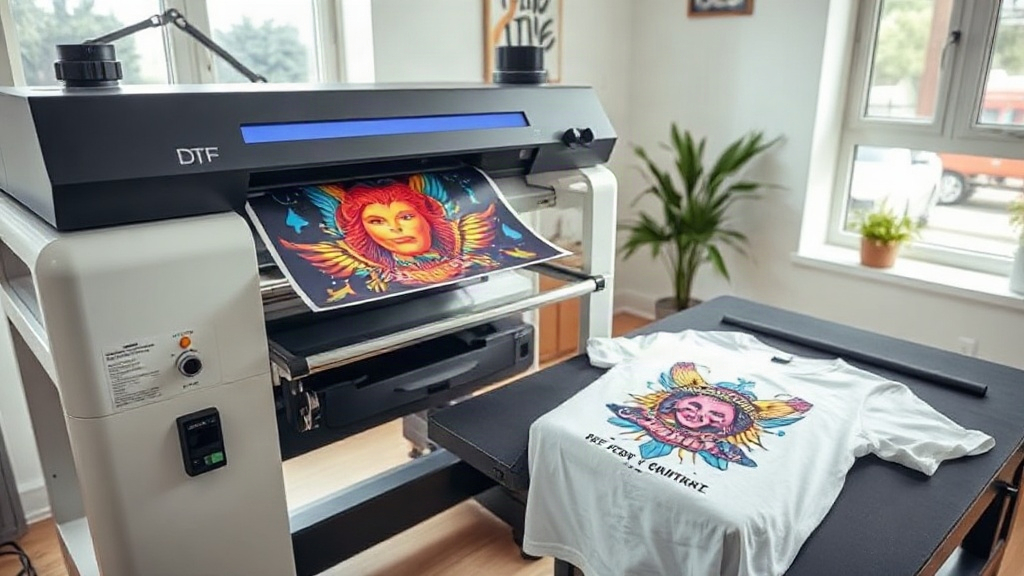
DTF printing is a digital printing technology that involves printing a design onto a special film, coating it with a powder adhesive, and then heat-pressing it onto a fabric. The process starts with a digital file, which is printed onto a PET film using specialized inks. While the ink is still wet, a thermoplastic powder is applied, and then the film is cured. Once cured, the design can be transferred to a garment using a heat press. The result is a durable, stretchable print that bonds well to cotton, polyester, and blends.
What sets DTF apart from other methods like DTG (Direct to Garment) or screen printing is its ability to produce full-color, detailed designs without the need for color separation or multiple screens. It's also more forgiving on different fabric types, making it a favorite for those who want to print on a variety of garments without switching equipment.
Why Choose DTF Printing for Your Custom Apparel?
If you're considering DTF printing for your next project, here are some compelling reasons:
- Versatility: DTF works on cotton, polyester, blends, and even some non-fabric surfaces like leather. This means you can print on t-shirts, hoodies, tote bags, and more without worrying about fabric compatibility.
- Vibrant Colors: The process uses CMYK plus white ink, allowing for bright, opaque designs even on dark garments. You can achieve photographic quality and fine details.
- Durability: When applied correctly, DTF prints are stretchable and resistant to cracking and fading. They hold up well to repeated washing.
- Cost-Effective for Small Runs: Unlike screen printing, which requires setup costs per color, DTF is economical for short runs and one-off designs. You can print a single shirt without breaking the bank.
- Ease of Use: With a DTF printer and a heat press, you can produce professional-looking apparel from your home or small workshop.
How Does the DTF Process Work Step by Step?
Understanding the workflow can help you decide if DTF is right for you. Here's a breakdown:
- Design Preparation: Create or obtain a digital design. Ensure it's in a high-resolution format, preferably with a transparent background. DTF printers typically use RIP software to manage color and white ink layers.
- Printing: The design is printed onto a sheet of PET film. The printer lays down CMYK inks and then a white ink layer. The white ink is crucial for opacity on dark fabrics.
- Powder Application: While the ink is still wet, a fine thermoplastic powder is sprinkled over the print. The powder sticks to the wet ink.
- Curing: The film is then heated to melt the powder, creating a flexible adhesive layer. This can be done in a curing oven or with a heat press.
- Transfer: Once cured, the film is placed on the garment with the design facing up. A heat press applies pressure and heat to transfer the design. After cooling, the film is peeled away, leaving the design bonded to the fabric.
Each step requires attention to detail, but with practice, the process becomes second nature.
DTF vs. Other Printing Methods: A Quick Comparison
To put DTF in context, let's compare it to DTG and screen printing.
DTF vs. DTG
DTG printing involves printing directly onto the garment. It's great for cotton fabrics but can be less vibrant on dark colors and requires pre-treatment. DTF, on the other hand, can print on a wider range of fabrics and produces more opaque results on darks. DTG has a softer feel, while DTF prints have a slight texture due to the adhesive layer.
DTF vs. Screen Printing
Screen printing is the go-to for large orders with simple designs. It's cost-effective at high volumes but requires separate screens for each color. DTF excels at complex, multi-color designs and small batches. The upfront cost for DTF is lower, making it ideal for startups and custom orders.
Getting Started with DTF Printing: What You Need
If you're ready to dive into DTF printing, here's a basic checklist:
- DTF Printer: Options range from converted Epson printers to dedicated DTF models. Research to find one that fits your budget and production needs.
- DTF Inks: Use high-quality DTF inks designed for your printer. Pigment inks are common.
- PET Film: This is the transfer medium. It comes in rolls or sheets. Choose a film that matches your printer and desired finish.
- Thermoplastic Powder: Also known as DTF powder, it's available in different particle sizes. Finer powder gives a smoother feel.
- Heat Press: A reliable heat press is essential for consistent transfers. Look for one with adjustable temperature and pressure.
- Curing Oven (Optional): For larger operations, a curing oven speeds up the powder melting process.
- RIP Software: This software helps manage color profiles and white ink layers. Some printers come with proprietary software.
Start with a modest setup and upgrade as your skills and demand grow.
Tips for Successful DTF Printing
To get the best results, keep these tips in mind:
- Preheat the Garment: This removes moisture and wrinkles, ensuring better adhesion.
- Use the Right Pressure: Too little pressure and the design won't bond; too much and it may spread or distort.
- Test Your Settings: Every heat press and fabric behaves differently. Do test prints to dial in temperature, time, and pressure.
- Store Films Properly: Keep unused DTF films in a cool, dry place to prevent curing or dust accumulation.
- Wash Inside Out: To prolong the life of your DTF prints, wash garments inside out in cold water and avoid harsh detergents.
Common Challenges and How to Overcome Them
Like any printing method, DTF has its quirks. Here are some issues you might encounter and how to fix them:
- Faded or Dull Colors: This could be due to incorrect ink settings or insufficient white ink. Check your RIP software and ensure white ink is properly layered.
- Poor Adhesion: If the design peels after washing, you might not be using enough pressure or the powder didn't cure properly. Adjust your heat press settings and curing time.
- Clogged Printheads: DTF inks can settle, so regular maintenance and cleaning cycles are crucial. Follow your printer's maintenance schedule.
- Powder Mess: Work in a well-ventilated area and use a powder shaker for even application. Clean up excess powder to avoid waste.
With practice, you'll learn to troubleshoot quickly and efficiently.
Frequently Asked Questions About DTF Printing
Can I use DTF printing on 100% polyester?
Yes, DTF printing works well on polyester. The low-temperature transfer process helps prevent dye migration, but you may need to use a low-temperature powder to avoid ghosting. Always test on a sample first.
How long do DTF prints last?
When properly applied and cared for, DTF prints can last as long as the garment itself. They are durable and resistant to cracking and fading. Following washing instructions will extend their life.
Do I need a special printer for DTF?
You can convert certain inkjet printers, like Epson models, to use DTF inks, or you can purchase a dedicated DTF printer. Dedicated printers are designed for the process and may offer better reliability and output.
Is DTF printing cost-effective for small businesses?
Absolutely. DTF printing has low startup costs compared to screen printing, and you can print single items without minimums. It's an excellent option for small businesses, crafters, and entrepreneurs.
What fabrics can I print on with DTF?
DTF works on a wide range of fabrics including cotton, polyester, blends, and even leather. It's one of the most versatile printing methods available.
Final Thoughts
DTF printing is revolutionizing the custom apparel industry by making high-quality, full-color printing accessible to everyone. Whether you're looking to start a business or simply want to create personalized gifts, DTF offers a flexible, durable, and vibrant solution. With the right equipment and a bit of practice, you can achieve professional results right from your home studio. So why not give it a try? Your creativity is the only limit.