
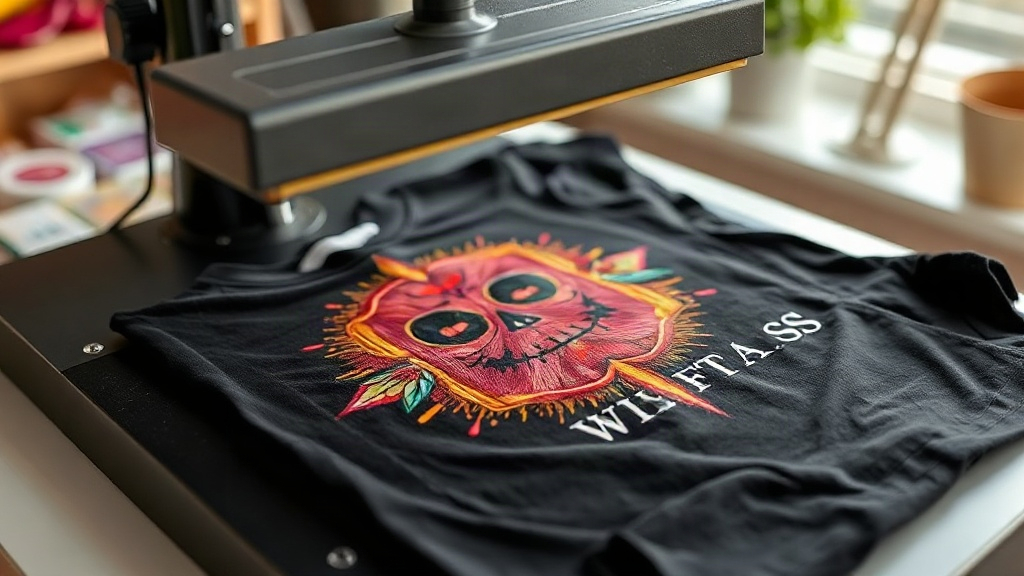
If you've ever admired a vibrant, detailed design on a t-shirt and wondered how it was made, chances are it involved DTF transfers. Direct-to-film printing has quickly become a favorite among crafters, small business owners, and DIY enthusiasts for its ability to produce full-color, high-detail prints on a wide range of fabrics. But what exactly are DTF transfers, and how can you get the best results? In this guide, we'll walk you through everything you need to know, from choosing the right transfer to applying it like a pro and making it last.
What Are DTF Transfers?
DTF transfers are printed designs on a special film that can be heat-pressed onto fabric. The process involves printing your artwork onto a PET film using specialized DTF inks, then applying a hot-melt adhesive powder to the wet ink. After curing, the transfer is ready to be pressed onto a garment. Unlike vinyl or screen printing, DTF doesn't require weeding or multiple screens, making it ideal for complex, multi-color designs. The result is a soft, stretchable print that adheres well to cotton, polyester, blends, and even some treated nylons.
Why Choose DTF Transfers Over Other Methods?
There are several reasons why DTF transfers have gained popularity:
- No color limitations: You can print gradients, photographs, and fine details without extra cost.
- Fabric versatility: Works on light and dark garments, as well as different materials.
- Durability: When applied correctly, DTF prints resist cracking, peeling, and fading.
- Ease of use: No weeding or layering required, saving time and reducing waste.
- Cost-effective for small batches: Perfect for one-off items or small runs, with no minimum order.
For crafters and small businesses, these advantages make DTF transfers a game-changer.
How to Choose the Right DTF Transfer
Not all DTF transfers are created equal. When selecting a transfer, consider these factors:
1. Fabric Compatibility
While DTF works on many fabrics, some require special attention. For 100% cotton, standard DTF transfers adhere beautifully. For polyester, lower pressing temperatures are needed to avoid dye migration. Blends fall somewhere in between. Always test on a scrap piece first.
2. Design Size and Detail
DTF can handle intricate details, but extremely fine lines may not reproduce as sharply. If your design has very thin elements, consider slightly thickening them. Also, ensure the transfer size fits your garment area without looking cramped.
3. Transfer Quality
Look for transfers printed with high-quality DTF inks and adhesive powder. Cheap transfers may use inferior materials that crack or fade quickly. Reputable suppliers often provide instructions and support.
4. Color Accuracy
If color matching is critical, request a sample or color chart. DTF prints can appear slightly different on screen versus on fabric, especially on dark backgrounds where a white underbase is used.
Step-by-Step Guide to Applying DTF Transfers
Applying DTF transfers is straightforward, but following the right steps ensures a professional finish. Here's how:
What You'll Need
- Heat press (or iron with no steam)
- DTF transfer
- Garment
- Parchment paper or Teflon sheet
- Heat-resistant tape (optional)
Step 1: Preheat the Garment
Preheat your heat press to the recommended temperature (usually 300-325°F / 150-160°C). Prepress the garment for 5-10 seconds to remove moisture and wrinkles. This helps the transfer adhere evenly.
Step 2: Position the Transfer
Place the DTF transfer on the garment with the printed side facing up (the design should be readable). If needed, secure it with heat-resistant tape to prevent shifting.
Step 3: Press
Cover the transfer with parchment paper or a Teflon sheet. Press with medium to firm pressure for 10-15 seconds. For best results, use a temperature of 300-325°F. Adjust based on your transfer's instructions.
Step 4: Peel
DTF transfers are typically cold peel or warm peel. Check your supplier's recommendation. For cold peel, wait until the transfer cools completely before peeling. For warm peel, wait a few seconds until it's cool enough to touch but still warm. Peel slowly at a low angle.
Step 5: Post-Press (Optional)
For added durability, cover the design with parchment paper and press again for 5-10 seconds. This further embeds the ink into the fabric.
Common Mistakes to Avoid
Even experienced crafters can slip up. Watch out for these pitfalls:
- Uneven pressure: Leads to poor adhesion and patchy results. Ensure your press is level and pressure is consistent.
- Wrong temperature: Too hot can scorch the fabric or cause dye migration; too cool means the adhesive won't activate.
- Peeling too soon or too late: Follow the peel type instructions precisely.
- Ignoring fabric type: Always test on a swatch, especially with polyester.
- Not preheating: Moisture can ruin the transfer.
Caring for Your DTF Printed Garments
To keep your DTF prints looking new, follow these care tips:
- Wait 24 hours before washing.
- Turn the garment inside out.
- Machine wash cold, gentle cycle.
- Use mild detergent, no bleach or fabric softener.
- Tumble dry low or hang dry.
- Iron inside out, avoiding the print directly.
With proper care, DTF transfers can last for years.
Frequently Asked Questions
Can I use DTF transfers on 100% polyester?
Yes, but you need to lower the pressing temperature to around 280-300°F to prevent dye migration. Also, pre-test to ensure compatibility.
How long do DTF transfers last?
With correct application and care, DTF prints can last 50+ washes or more. They are known for their durability compared to other heat transfer methods.
Do I need a special printer for DTF transfers?
Yes, DTF printing requires a specialized printer with DTF inks and a powder shaker. However, you can buy pre-made DTF transfers from suppliers if you don't want to invest in equipment.
Can I stretch the garment after applying DTF?
DTF transfers have some stretchability, but excessive stretching can cause cracking. It's best to avoid stretching the printed area forcefully.
What's the difference between DTF and DTG?
DTG (direct-to-garment) prints directly onto the fabric, while DTF transfers are printed on film and then applied. DTF works on more fabric types and often has brighter colors on dark garments.