
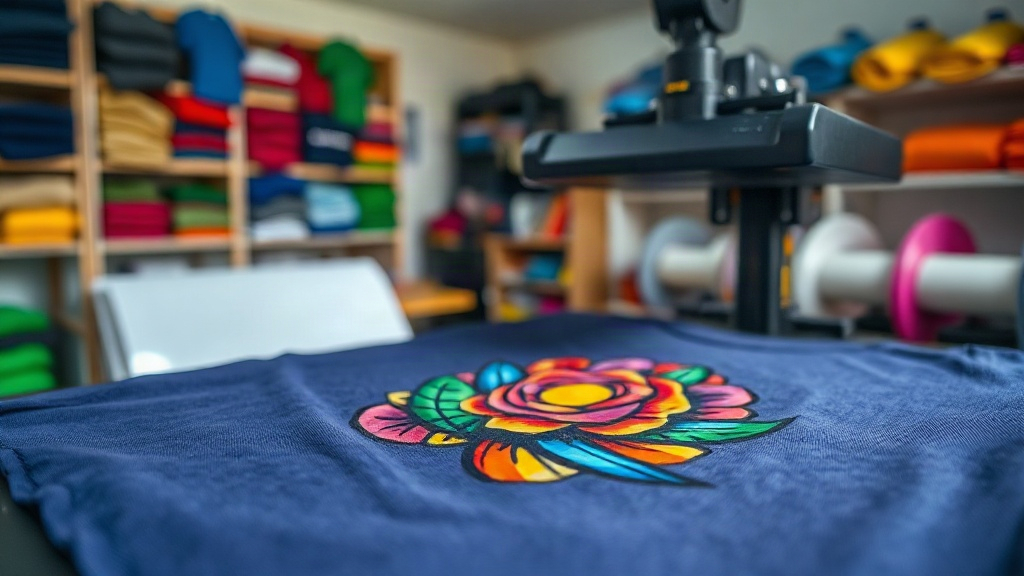
If you've been exploring custom apparel printing, you've likely encountered DTF Transfers. This innovative technology is quickly becoming a favorite among small business owners, crafters, and DIY enthusiasts for its ability to produce vibrant, durable designs on a wide range of fabrics. Unlike traditional methods that require specialized equipment or multiple steps, DTF transfers offer a streamlined approach that delivers professional results without the steep learning curve. In this guide, we'll dive deep into what DTF transfers are, how they work, and why they might be the perfect solution for your next custom printing project.
What Are DTF Transfers?
DTF stands for Direct to Film. It's a printing method where your design is printed onto a special film, coated with a thermoplastic adhesive powder, and then heat-pressed onto the fabric. The result is a soft, stretchable, and highly durable print that bonds permanently to the material. Unlike DTG (Direct to Garment) printing, which requires pretreatment and works best on cotton, DTF transfers can be applied to almost any fabric, including polyester, blends, and even nylon. This versatility makes them a game-changer for anyone looking to print on diverse garment types.
How DTF Transfers Work: A Step-by-Step Breakdown
Understanding the process helps you appreciate the magic behind DTF transfers. Here's what happens from design to finished product:
- Design Preparation: Your artwork is prepared digitally, ensuring it's mirrored and sized correctly for printing.
- Printing: A specialized DTF printer lays down CMYK inks onto a PET film, followed by a white ink layer that acts as a base for opacity.
- Powder Application: While the ink is still wet, a hot-melt adhesive powder is sprinkled over the print. Excess powder is shaken off.
- Curing: The film passes through a heat source (like a heat press or oven) to melt the powder, creating a dry, tacky surface.
- Transfer: The film is placed on the fabric and heat-pressed. The adhesive melts, bonding the ink to the fabric. After cooling, the film is peeled away, leaving a vibrant, flexible design.
This multi-step process might sound complex, but once you have the right equipment, it becomes second nature. The beauty of DTF transfers lies in their ability to produce full-color, photographic-quality images without the need for color separation or multiple screens.
Why Choose DTF Transfers Over Other Methods?
With so many printing options available, you might wonder what sets DTF apart. Here are the key advantages:
- Fabric Versatility: Works on cotton, polyester, blends, leather, and more. No need to stock different types of transfer paper.
- No Pretreatment: Unlike DTG, DTF doesn't require pre-treating the garment, saving time and reducing chemical use.
- Vibrant Colors: The white ink base ensures colors pop on both light and dark fabrics.
- Durability: When applied correctly, DTF prints withstand repeated washing without cracking or fading.
- Cost-Effective for Small Runs: No minimum order quantities, making it ideal for one-off projects or small batches.
- Soft Hand Feel: The prints are thin and stretch with the fabric, offering comfort.
For a deeper comparison, check out our article on DTF vs. DTG vs. Screen Printing.
Materials and Equipment You'll Need
Getting started with DTF transfers requires some initial investment. Here's a checklist:
- DTF Printer: A dedicated printer that uses DTF inks and prints onto film. Epson conversions are popular.
- DTF Inks: Specifically formulated CMYK and white inks.
- PET Film: The transfer medium. Available in rolls or sheets.
- Adhesive Powder: TPU-based powder that bonds the ink to fabric.
- Heat Press: For curing the powder and applying the transfer. A commercial-grade press is recommended.
- Software: RIP software to manage color and print settings.
While the upfront cost can be higher than some other methods, the versatility and low cost per print make it worthwhile for many businesses.
Applications of DTF Transfers
DTF transfers are used across various industries and personal projects. Some common applications include:
- Custom T-shirts: Perfect for team uniforms, event merch, and personal designs.
- Hoodies and Sweatshirts: The stretchability of DTF prints makes them ideal for these garments.
- Activewear: Bonds well to polyester and spandex, moving with the body.
- Tote Bags and Accessories: Adds a personalized touch to canvas and nylon bags.
- Corporate Apparel: For branded workwear with detailed logos.
Whether you're running a print shop or making gifts for friends, DTF opens up a world of possibilities.
Tips for Successful DTF Transfer Application
To ensure your DTF transfers look professional and last, follow these best practices:
- Preheat the Fabric: Remove moisture and wrinkles before pressing.
- Use the Right Pressure: Medium to high pressure ensures even adhesion.
- Temperature and Time: Typically around 300-325°F for 10-15 seconds. Adjust based on fabric type.
- Peel Cool: Wait for the transfer to cool completely before peeling for a matte finish, or peel hot for a glossy look.
- Post-Press: After peeling, press again for a few seconds to smooth the print.
- Washing Instructions: Wait 24 hours before washing. Turn garment inside out and use cold water. Avoid bleach and fabric softener.
Experiment with scrap fabric to dial in your settings for different materials.
Common Challenges and How to Overcome Them
Even with the best equipment, you might encounter issues. Here are solutions to common problems:
- Poor Adhesion: Ensure enough pressure and correct temperature. Check that the powder was fully cured.
- Cracking: Usually caused by insufficient powder or over-stretching the print. Use more powder and handle gently.
- Color Fading: Use quality inks and follow washing instructions. Avoid ironing directly on the print.
- Film Jamming: Adjust printer settings and ensure film is loaded correctly.
With practice, you'll be able to troubleshoot quickly and maintain high-quality output.
Is DTF Printing Right for Your Business?
If you're a small business owner or a DIY enthusiast, DTF transfers offer a low-barrier entry into custom apparel. The ability to print on demand, without minimums, means you can offer personalized products without inventory risk. The prints are durable and vibrant, rivaling more established methods. However, if you're producing thousands of identical items, screen printing might still be more cost-effective. Assess your production volume and variety to decide.
Frequently Asked Questions
How long do DTF transfers last?
With proper application and care, DTF transfers can last as long as the garment itself. They withstand 50+ washes without significant fading or cracking if washing instructions are followed.
Can I use DTF transfers on 100% polyester?
Yes, DTF transfers work exceptionally well on polyester because the low-temperature application prevents dye migration and the print stretches with the fabric.
Do I need a special printer for DTF?
You need a printer that uses DTF inks and can handle PET film. Many people convert Epson printers with DTF ink systems. Alternatively, you can outsource printing to a service.
What's the difference between DTF and DTG?
DTG prints directly onto the garment and requires pretreatment, working best on cotton. DTF prints onto a film first, then transfers to the fabric, allowing use on more materials without pretreatment.
Can I stretch DTF prints?
Yes, DTF prints are flexible and stretch with the fabric. However, excessive stretching may cause cracking over time.
DTF transfers are more than a trend; they're a versatile tool that empowers creators to bring their designs to life on almost any fabric. With the right knowledge and equipment, you can achieve professional results that impress customers and keep them coming back. So why not give it a try? Your next custom apparel project could be your best one yet.