
When you first hear about DTF printing, it might sound like just another industry acronym. But for anyone who loves creating custom t-shirts, hoodies, or tote bags, DTF (Direct to Film) is a game-changer. Unlike traditional methods that require specialized equipment or messy setups, DTF printing opens up a world of vibrant, durable designs that can be applied to almost any fabric. Whether you're a hobbyist, a small business owner, or just curious about the latest in garment decoration, this guide will walk you through everything you need to know about DTF printing.
What Exactly Is DTF Printing?
DTF stands for Direct to Film. The process involves printing your design onto a special PET film using a DTF printer, which uses water-based inks. After printing, a powdered hot-melt adhesive is applied to the wet ink, and then the film is cured. Once cured, the design can be transferred onto fabric using a heat press. The film is peeled away, leaving the design bonded to the garment. This method is distinct from DTG (Direct to Garment) because it doesn't print directly onto the fabric; instead, it uses a transfer film. That might sound like an extra step, but it's precisely what makes DTF so versatile.
Why DTF Printing Stands Out
There are several reasons why DTF printing has become a favorite among crafters and professionals alike. Let's break down the key advantages.
Works on Almost Any Fabric
One of the biggest limitations of DTG printing is that it works best on 100% cotton. DTF, on the other hand, adheres beautifully to cotton, polyester, blends, and even nylon. This means you can decorate everything from classic cotton tees to performance wear and canvas bags. If you've ever wanted to print on a dark polyester jersey, DTF is your answer.
Vibrant Colors and Fine Details
DTF printers use CMYK plus white ink, allowing for bright, opaque colors even on dark garments. The white ink acts as a base, making colors pop without the need for separate white underbase screens. Fine lines, gradients, and photographic images come out crisp and detailed. Unlike vinyl cutting, there's no limit to the number of colors or complexity of the design.
Durability That Lasts
When applied correctly, DTF transfers are incredibly durable. They withstand repeated washing without cracking, peeling, or fading. The key is proper curing and pressing. Many users report that their DTF prints outlast the garment itself. This makes it a great choice for items that will be worn and washed frequently.
Cost-Effective for Short Runs
Traditional screen printing requires separate screens for each color, which is expensive for small batches. DTF eliminates that. You can print one-off designs or small runs without any setup fees. For small businesses or personal projects, this is a huge money-saver.
How to Get Started with DTF Printing
Ready to dive in? Here's a step-by-step overview of the DTF printing process.
1. Design Your Artwork
Start with your design in a graphic software like Photoshop, Illustrator, or even Canva. Remember that DTF prints are typically mirrored, so flip your design horizontally before printing. Also, ensure your design is high resolution (300 DPI is ideal) for the best results.
2. Print on DTF Film
Load your DTF film into your printer. These films have a special coating that receives the ink. Print your design using your DTF printer. If you don't have a dedicated DTF printer, you can convert an Epson printer with DTF ink and a continuous ink system, but dedicated printers are becoming more affordable.
3. Apply Adhesive Powder
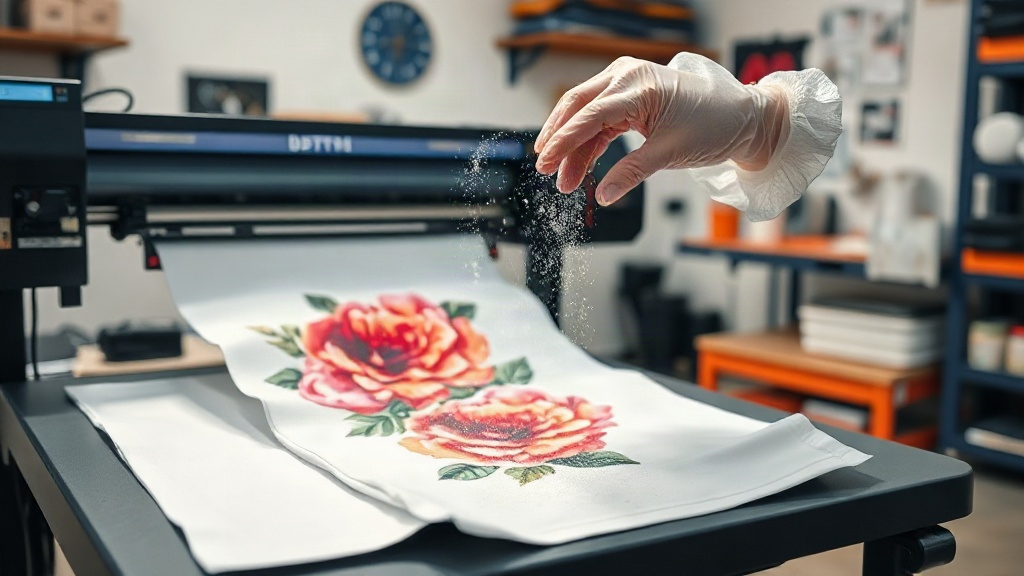
While the ink is still wet, sprinkle hot-melt adhesive powder over the printed area. Shake off the excess. The powder sticks only to the ink. Then, cure the film in an oven or with a heat gun until the powder melts and becomes glossy. This step is crucial for bonding.
4. Press onto Fabric
Set your heat press to the recommended temperature (usually around 300-320°F) and pressure. Place the cured film on your garment with the design facing up. Press for 10-15 seconds. Let it cool completely before peeling the film. For a softer feel, you can press again for a few seconds after peeling.
Common Mistakes to Avoid
Even though DTF is forgiving, a few pitfalls can ruin your results. Here are some to watch out for:
- Not enough powder: If you don't apply enough adhesive, the transfer may peel. Make sure the entire design is covered with a fine layer.
- Under-curing: If the powder isn't fully melted, the transfer won't bond properly. Cure until the powder looks glossy, not cloudy.
- Wrong pressure: Too little pressure and the design won't adhere; too much and the ink can spread. Follow your press's guidelines.
- Peeling too soon: Always let the transfer cool before peeling. Peeling hot can distort the design.
Tips for Better DTF Results
Want to elevate your DTF game? Try these tips:
- Use a lint roller on your garment before pressing to remove dust and fibers.
- Pre-press the garment for a few seconds to remove moisture.
- Store unused DTF film in a cool, dry place to prevent moisture absorption.
- Experiment with different fabrics to see what works best for your designs.
- Keep a log of your press settings for each fabric type for consistency.
Frequently Asked Questions
Can I use DTF printing on 100% polyester?
Absolutely. DTF transfers adhere well to polyester, including performance fabrics. However, you may need to adjust your heat press temperature slightly lower to avoid scorching the fabric.
How long do DTF prints last?
With proper application and care, DTF prints can last as long as the garment. They are resistant to cracking and fading, even after many washes.
Do I need a special printer for DTF?
You can use a dedicated DTF printer, or convert a standard inkjet printer (like certain Epson models) with DTF ink and a film tray. Dedicated printers are more convenient and yield better results.
Is DTF printing cost-effective for small businesses?
Yes. DTF has low startup costs compared to screen printing, and you can print one-offs without minimums. It's ideal for small businesses and side hustles.
What fabrics can I use with DTF?
DTF works on cotton, polyester, blends, nylon, canvas, and more. It's one of the most versatile decoration methods available.
Final Thoughts
DTF printing is more than a trend; it's a reliable, versatile, and cost-effective way to bring your custom apparel ideas to life. Whether you're printing a single shirt for yourself or launching a clothing line, DTF gives you the freedom to create without limits. So gather your designs, fire up your printer, and start pressing. Your next favorite tee is just a transfer away.