
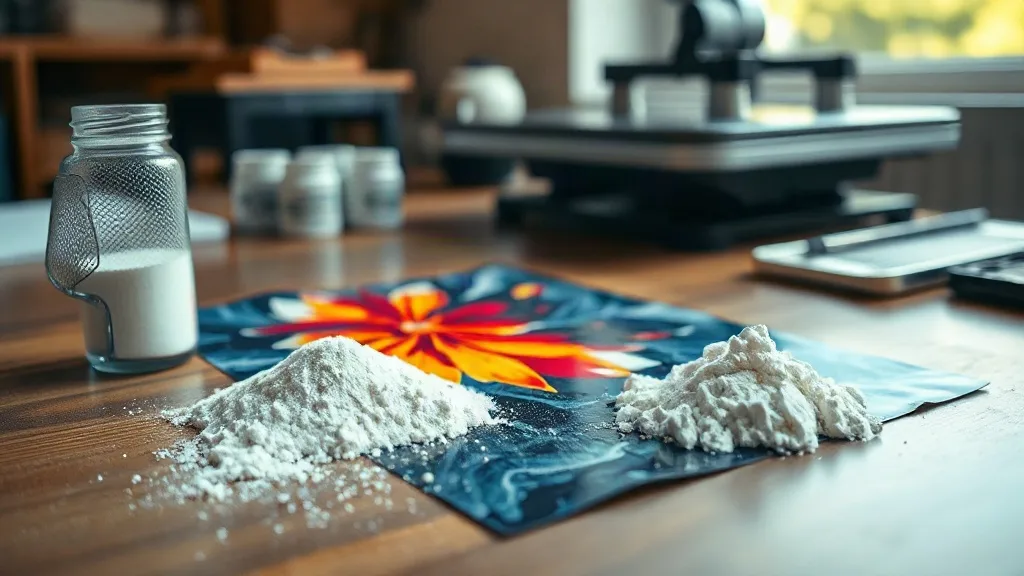
You've probably seen it: a shirt that looked perfect on the press but started cracking after a few washes. Or a print that felt sticky and never fully cured. In my years running a small DTF shop, I've learned that the unsung heroes of durable dtf transfers are the ink and powder you use. They're not just consumables; they're the foundation of every print that leaves your shop. Get them right, and your customers will notice. Get them wrong, and you'll be dealing with returns and bad reviews. This guide dives into the practical side of choosing, storing, and working with dtf transfers ink and powder, so you can avoid the common pitfalls and produce prints that last.
Why Ink and Powder Matter More Than You Think
DTF printing is a delicate dance between chemistry and heat. The ink carries the color, but the powder (often called hot-melt adhesive) is what bonds the ink to the fabric. If either one is off, the whole print suffers. I've seen shops invest in top-of-the-line printers and presses, only to skimp on ink and powder. The result? Prints that look great initially but fail in the wash. The truth is, your dtf supplies are only as strong as their weakest link. Understanding how ink and powder interact will help you troubleshoot problems and make informed purchasing decisions.
Choosing the Right Ink for Your Shop
Not all DTF inks are created equal. The market offers a range of options, from budget-friendly to premium. But how do you know which one is right for you? It depends on your volume, your quality standards, and your printer. Here's what to consider:
Pigment Quality and Color Vibrancy
High-quality pigment inks produce brighter, more saturated colors that resist fading. Cheaper inks might save you money upfront, but they often require more ink to achieve the same opacity, and the colors can look dull over time. If you're printing detailed designs or photographs, invest in inks with a reputation for color accuracy.
Viscosity and Jetting Performance
Ink viscosity affects how well it flows through the printhead. Too thick, and you'll get clogs and misfires. Too thin, and you'll see ink spreading and poor dot gain. Most reputable ink suppliers formulate their products to work with specific printhead models. Always check compatibility and read reviews from other shop owners.
Storage and Shelf Life
Ink doesn't last forever. Exposure to light, heat, and air can degrade its quality. Store ink cartridges or bottles in a cool, dark place, and keep them sealed when not in use. I learned this the hard way when a batch of ink sat in a hot warehouse for months; the prints came out weak and inconsistent. Always rotate your stock and use older ink first.
The Role of Powder in DTF Printing
Powder might seem like a simple adhesive, but it's a critical component. It's what allows the transfer to stick to the fabric and survive washing. There are different types of powder, each with its own characteristics. Let's break down the key factors.
Particle Size and Melt Point
Powder particle size affects how evenly it coats the wet ink. Finer powders create a smoother finish and better detail, but they can be messier to handle. Coarser powders are easier to work with but might leave a slightly textured feel. The melt point determines at what temperature the powder fuses. You want a powder that melts at a temperature compatible with your press settings and the fabric you're using. Too high, and you'll scorch the fabric; too low, and the bond won't be strong enough.
Application Techniques
Applying powder evenly is an art. I've seen beginners dump powder on like they're breading chicken, which leads to waste and uneven adhesion. The best method is to use a shaker bottle with small holes, applying a light, even coat while the ink is still wet. Then shake off the excess. A powder shaker with a fine mesh screen can help. Some shops use automated powder applicators, but for small operations, manual application works fine with practice.
Storage and Handling
Powder is hygroscopic, meaning it absorbs moisture from the air. Moisture can cause clumping and ruin the powder's flow properties. Store powder in an airtight container, ideally with a desiccant pack. I keep my powder in sealed jars with silica gel packets and replace them regularly. Also, avoid breathing in the powder; it's not good for your lungs. Wear a mask when handling it.
How Ink and Powder Work Together
The magic happens when the powder is applied to the wet ink and then melted. The ink provides the color, and the powder creates a adhesive layer that bonds to the fabric. If the ink is too dry before powdering, the powder won't stick. If the ink is too wet, the powder might sink in and not form a proper layer. Timing is crucial. You want to apply powder while the ink is still tacky but not dripping. This window can vary depending on your printer, ink, and environment. In a humid room, ink dries slower; in a dry room, faster. Keep an eye on it and adjust your workflow accordingly.
Common Problems and Fixes
Even with the best supplies, things can go wrong. Here are a few issues I've encountered and how to solve them:
- Prints cracking after washing: This usually points to insufficient powder or undercuring. Make sure you apply enough powder and that your press settings are correct. Also, check the fabric; some fabrics need a higher temperature or longer dwell time.
- Powder not sticking: The ink might be too dry. Try applying powder sooner after printing, or adjust your printer's settings to increase ink output. Also, ensure the powder is dry and not clumpy.
- Sticky prints: This means the powder didn't fully melt or there's too much powder. Reduce the amount of powder and check your press temperature. You might need to increase the temperature or dwell time.
- Faded colors: Could be poor ink quality or improper curing. Use high-quality inks and ensure they are cured according to the manufacturer's recommendations. Also, consider the fabric; some fabrics absorb ink differently.
If you're ever in doubt, test a small sample before running a full batch. It saves time and materials.
Sourcing Quality Supplies
Finding reliable suppliers is key. I always recommend starting with samples. Order small quantities from a few different suppliers and test them. Look for inks that are specifically formulated for DTF and powders that are designed for textile adhesion. Reading reviews and asking in online forums can also give you insights. When you find a supplier you trust, stick with them. Consistency in supplies leads to consistency in output. And if you're looking for dtf transfers near me, consider local suppliers who can offer faster shipping and support. But don't sacrifice quality for convenience; always verify the product meets your standards.
Best Practices for Storage and Inventory
Proper storage extends the life of your supplies and ensures consistent results. Here's a quick checklist:
- Store ink in a cool, dark place, away from direct sunlight.
- Keep powder in airtight containers with desiccant packs.
- Rotate stock so older supplies are used first.
- Label everything with purchase dates.
- Keep a log of batch numbers and any issues that arise.
I also recommend keeping a small dehumidifier in your storage area if you live in a humid climate. It's a small investment that can save you from ruined supplies.
Frequently Asked Questions
How do I know if my ink is compatible with my printer?
Check your printer's specifications and the ink manufacturer's recommendations. Most ink suppliers list compatible printer models. If you're unsure, contact the supplier directly. Using incompatible ink can damage your printhead and void your warranty.
Can I use the same powder for all fabrics?
Most DTF powders work on a wide range of fabrics, but some fabrics like nylon or waterproof materials may require special powders or additional treatment. Always test on a small sample first. For stretchy fabrics, a powder with higher elasticity is recommended.
What's the shelf life of DTF ink and powder?
Unopened ink typically lasts 6-12 months, while powder can last up to 2 years if stored properly. Once opened, use ink within a few months and powder within 6 months. Always check for signs of degradation like separation or clumping.
How can I prevent powder from clumping?
Store powder in an airtight container with a desiccant pack. Avoid exposing it to humid air. If clumps form, sift the powder through a fine mesh before use. Do not use clumpy powder as it can cause uneven application and poor adhesion.
Do I need to cure the ink before applying powder?
No, the ink should be wet when you apply powder. The powder sticks to the wet ink. After powdering, you then cure the powder and ink together in the press. Follow your ink and powder manufacturer's recommended curing temperature and time.