
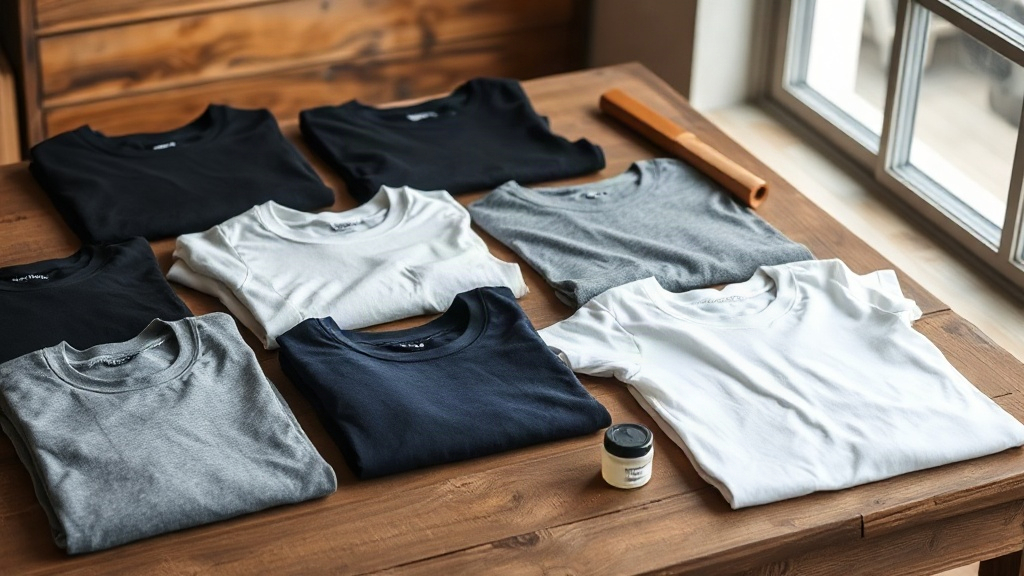
When you think of streetwear staples, Shaka Wear might not be the first name that pops into your head, but it should be. Born in the heart of Los Angeles, this brand has quietly become a go-to for those who value heavyweight cotton, consistent fit, and a blank canvas that takes custom printing like a dream. Whether you're a screen printer, a boutique owner, or just someone who appreciates a tee that holds its shape, understanding what makes Shaka Wear tick can save you time, money, and a lot of frustration. In this guide, we'll dive deep into the brand's history, product lines, and how you can use their blanks to create standout apparel.
The Rise of Shaka Wear: From LA Streets to Global Stage
Shaka Wear started in the late 2000s as a response to a gap in the market: affordable, high-quality blanks that didn't sacrifice durability. While many brands were chasing fast fashion trends, Shaka focused on the basics, literally. Their tees became popular among skaters, graffiti artists, and hip-hop crews who needed clothing that could keep up with their lifestyle. Over time, the brand expanded into hoodies, sweatpants, and accessories, all while maintaining that core philosophy of substance over hype.
What sets Shaka apart is their commitment to consistency. If you buy a size Large today, it'll fit the same as one you bought three years ago. That might sound simple, but in an industry where fits change with the wind, it's a big deal. For custom printers, this reliability means you can build a product line without constantly adjusting your sizing charts.
Why Shaka Wear Blanks Are a Printer's Best Friend
If you've ever tried to print on a flimsy, thin tee, you know the struggle: the ink bleeds, the shirt twists, and your design looks like a faded memory after one wash. Shaka Wear blanks are typically made from 100% cotton, with many styles weighing in at 5.5 oz or heavier. That weight matters. A heavier fabric provides a smoother surface for printing, reduces ink migration, and holds up better over time.
Fabric Quality and Construction
Most Shaka tees feature double-needle stitching on the sleeves and bottom hem, which prevents unraveling and adds to the garment's lifespan. The shoulder-to-shoulder taping keeps the neckline from stretching out, a common issue with cheaper blanks. When you're selling custom apparel, these details translate to fewer returns and happier customers.
Variety of Styles
Shaka offers several fits, from classic crew necks to v-necks, and a range of colors that go beyond basic black and white. They also have tall sizes, which is a lifesaver for taller customers who usually get stuck with shirts that are too short. For printers, this variety means you can cater to different demographics without switching suppliers.
Custom Printing Techniques That Work Best with Shaka Wear
Not all printing methods are created equal, and the blank you choose can make or break the final product. Shaka Wear's tight-knit cotton is versatile, but some techniques yield better results than others.
- Screen Printing: This is the go-to for bold, long-lasting designs. The heavy cotton holds the ink well, and the print won't crack easily if cured properly. It's ideal for bulk orders.
- Direct-to-Garment (DTG): Great for detailed, full-color images. Shaka's smooth surface allows for good ink adhesion, but pre-treatment is essential to avoid fading.
- Heat Transfer Vinyl (HTV): Perfect for small batches and personalized items. The fabric's weight prevents the vinyl from wrinkling during application.
- Embroidery: Works well on heavier styles like hoodies and jackets. The density of the fabric supports the stitches without sagging.
If you're new to printing on Shaka, start with a test garment. Wash it a couple of times to see how the print holds up. You'll likely find that with the right technique, the results are impressive.
Sizing and Fit: What You Need to Know Before You Buy
One of the most common questions about Shaka Wear is how it fits. Generally, their tees run true to size, but some styles have a slightly boxy cut, which is popular in streetwear. If you're used to slim-fit brands, you might want to size down for a more tailored look. For hoodies, they tend to be roomy, so if you prefer a snug fit, consider going one size smaller.
It's always a good idea to check the specific size chart for the style you're interested in. Shaka provides detailed measurements on their website, and many distributors include them in their listings. When in doubt, order a sample. A few dollars spent on a test shirt can save you from a costly mistake.
How to Incorporate Shaka Wear into Your Brand
If you're building a clothing line or merch for your business, Shaka Wear offers a solid foundation. Here's how to make it work for you:
- Choose the right blank: Consider your target audience and the intended use. For everyday wear, a mid-weight tee like the Shaka Wear Crew Neck is a safe bet. For athletic activities, look for moisture-wicking options if available.
- Develop a signature look: Use consistent printing placements and color palettes to create a recognizable brand identity. Shaka's neutral colors make it easy to build a cohesive collection.
- Market the quality: Don't just sell a shirt; sell the story. Highlight the heavyweight cotton, the durable stitching, and the fact that it's made to last. Customers appreciate transparency.
- Offer customization: Beyond printing, you can add custom neck labels, hang tags, or even dye the garments for a unique feel. Shaka blanks are a great canvas for these upgrades.
Common Pitfalls to Avoid When Printing on Shaka Wear
Even with great blanks, mistakes happen. Here are a few things to watch out for:
- Improper curing: Under-cured ink will wash out; over-cured ink will crack. Follow the ink manufacturer's temperature and time guidelines.
- Using the wrong screen mesh: For fine details, a higher mesh count is needed. For bold blocks, a lower mesh count works better.
- Ignoring fabric softeners: Some Shaka garments come with a soft finish that can interfere with printing. Pre-wash if necessary, but check with the supplier first.
- Not testing: Always do a wash test before committing to a large order. It's the only way to be sure your print will last.
Frequently Asked Questions About Shaka Wear
Is Shaka Wear true to size?
Yes, Shaka Wear generally runs true to size, but some styles have a looser, boxier fit. If you prefer a slimmer look, consider sizing down. Always check the specific size chart for the style you're buying.
What is the best printing method for Shaka Wear t-shirts?
Screen printing is the most durable and cost-effective for large orders, while DTG is better for detailed, small-batch designs. HTV is great for personalization. The best method depends on your design and quantity.
Does Shaka Wear shrink after washing?
Like most cotton garments, Shaka Wear tees may shrink slightly if washed in hot water and dried on high heat. To minimize shrinkage, wash in cold water and tumble dry on low.
Where can I buy Shaka Wear blanks for printing?
Shaka Wear products are available through various wholesale distributors and online retailers. You can also check the official Shaka Wear website for a list of authorized dealers.
Can I put a logo on Shaka Wear hoodies?
Absolutely. Shaka Wear hoodies are popular for custom printing and embroidery. The heavyweight fabric holds up well to both techniques, making them ideal for team wear or merch.