
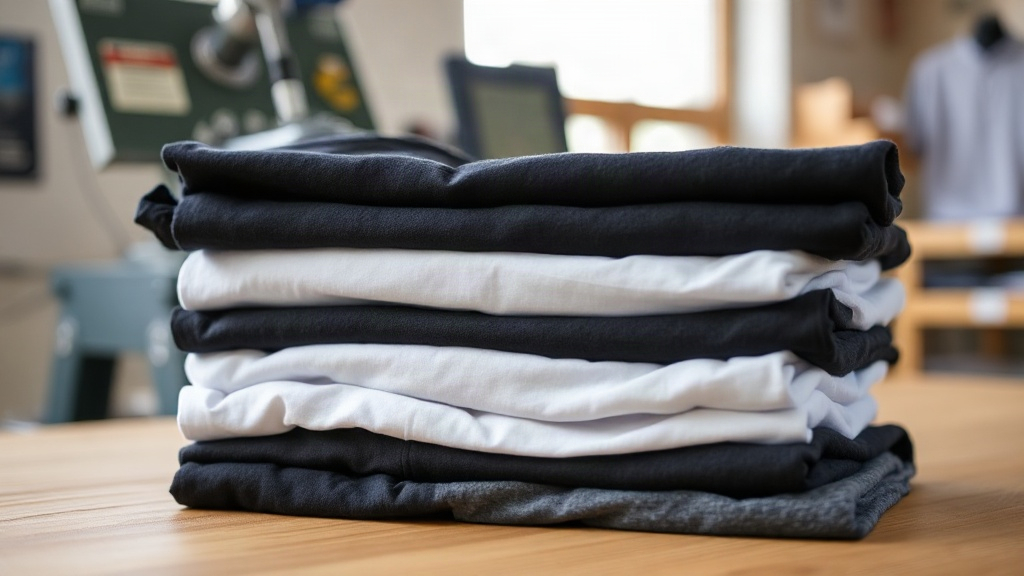
When you hold a freshly printed shirt in your hands, the first thing you notice is the print. But the foundation, the blank itself, determines whether that print looks crisp or cracked, whether the shirt feels like a keeper or a rag. If you have spent any time in the custom apparel world, you have probably heard whispers about Shaka Wear. Maybe you have seen their heavyweight tees at a skate shop or spotted their hoodies at a local market. But what makes them different from the hundreds of other blanks out there? And more importantly, how can you use them to make your custom prints stand out? This article digs into the practical side of Shaka Wear, from fabric weights to printing quirks, so you can decide if they belong in your next order.
What Exactly Is Shaka Wear?
Shaka Wear is a Los Angeles-based apparel brand that started in the streetwear scene and grew into a go-to source for heavyweight blanks. Unlike some fashion brands that slap a logo on a generic tee, Shaka Wear focuses on the blank itself. Their tees, hoodies, and crewnecks are known for thick cotton, boxy fits, and a price point that sits comfortably between budget blanks and premium fashion labels. The brand has deep roots in skate and surf culture, which explains the relaxed silhouettes and durable construction. If you have ever picked up a shirt that felt like it could survive a decade of washing, chances are it was a Shaka Wear piece.
Why Screen Printers Love Shaka Wear Blanks
Not all blanks are created equal when it comes to printing. Some have a coating that repels ink, others have a weave that swallows detail. Shaka Wear blanks, especially their heavyweight cotton tees, have a tight knit that holds fine lines and halftones well. The fabric is usually 100% cotton, which takes water-based and discharge inks beautifully, giving that soft, vintage look that many customers crave. The thickness also means less ink bleed, so your artwork stays sharp. Another bonus: the consistent sizing. When you are printing a run of 50 shirts, you do not want to explain to a client why a medium fits like a small. Shaka Wear tends to run true to size, with a boxy cut that appeals to modern streetwear fans.
Fabric Weight and Hand Feel
Most Shaka Wear tees come in 5.5 oz to 7 oz cotton. That is heavier than your average retail tee (often 4.5 oz), which means they drape better and resist transparency. For printers, the heavier weight provides a stable surface, reducing the chance of the shirt shifting during the print stroke. The hand feel is substantial but not stiff; after a few washes, it softens up without losing shape. If you are printing for a brand that wants a premium feel without the premium price tag, this is a sweet spot.
Fit and Sizing Considerations
Shaka Wear offers a few fits: classic, boxy, and sometimes a taller cut. The boxy fit is popular for streetwear because it allows for layering and gives that relaxed vibe. However, if your audience prefers a slimmer look, you might need to size down or look at other options. Always order a sample before committing to a large run. I learned this the hard way when a client ordered 200 shirts in their usual size, only to find that the boxy cut made them feel like they were swimming. A quick fit session with a sample saved the day.
How to Print on Shaka Wear for Best Results
Printing on Shaka Wear is not rocket science, but a few adjustments can make a big difference. Here are some practical tips from my own shop:
- Pre-press matters: Give the shirt a quick press before printing to remove wrinkles and moisture. This helps the ink adhere evenly.
- Plastisol vs. water-based: Both work, but water-based inks sink into the cotton for a no-feel print. If you want a bright, opaque graphic, plastisol is more forgiving on darker colors.
- Watch the mesh count: For fine details, use a higher mesh (200-305). For bold blocks, a lower mesh (110-160) lays down more ink.
- Curing is critical: Shaka Wear’s heavy cotton needs a full cure to avoid cracking. Use a conveyor dryer or a heat press, and check with a temperature gun. Aim for 320°F for plastisol.
One quirk: the boxy fit can make it tricky to load on a standard platen. Make sure your platen is wide enough and use a tack spray to keep the shirt from shifting. Also, because the fabric is thick, you might need to increase your screen tension slightly to get a clean stroke.
Shaka Wear vs. Other Popular Blanks
How does Shaka Wear stack up against the usual suspects? Here is a quick comparison:
- vs. Gildan 5000: Gildan is cheaper and lighter, but the print quality can be less consistent. Shaka Wear offers a more premium feel and better drape.
- vs. Bella+Canvas 3001: Bella+Canvas is softer and has a slimmer fit, often preferred for fashion prints. Shaka Wear is heavier and boxier, better for streetwear and skate brands.
- vs. Next Level 3600: Next Level is known for softness and a modern fit. Shaka Wear feels more durable and holds its shape longer, which matters for workwear or merch that gets heavy rotation.
Ultimately, the choice depends on your customer and the vibe you want to create. If you are printing for a surf shop or a hip-hop artist, Shaka Wear is a natural fit.
Where to Buy Shaka Wear Blanks
You can find Shaka Wear blanks through several online wholesalers and sometimes local distributors. Prices vary based on quantity and color. For small runs, expect to pay around $8 to $12 per tee; for bulk orders, you can get them closer to $5 to $7. Always check for stock availability, as popular colors like black and white sell out fast. If you are a printer, set up a wholesale account to get better pricing. And do not forget to ask for a sample pack to test different styles before you commit.
Common Mistakes to Avoid with Shaka Wear
Even seasoned printers can slip up. Here are a few pitfalls I have seen:
- Not testing a sample: Every batch can vary slightly. Print one shirt before running the whole order.
- Using too much pressure: The heavy fabric can handle it, but excessive pressure can cause the ink to spread and lose detail.
- Ignoring the cure: Under-cured ink will crack and wash out. Invest in a good infrared thermometer.
- Assuming fit: As mentioned, the boxy cut is not for everyone. Communicate the fit to your customers with photos and measurements.
By avoiding these, you will have happier clients and fewer reprints.
Frequently Asked Questions About Shaka Wear
Is Shaka Wear true to size?
Generally, yes, but their boxy fits run wider than standard tees. If you prefer a fitted look, consider sizing down. Always check the size chart and order a sample.
Can I use heat transfer vinyl (HTV) on Shaka Wear?
Absolutely. HTV works well on cotton, and Shaka Wear’s tight weave provides a smooth surface. Just follow the vinyl manufacturer’s temperature and pressure settings, and pre-press the shirt to remove wrinkles.
What is the best ink for Shaka Wear blanks?
It depends on the look you want. Water-based inks give a soft, vintage feel; plastisol offers bright, opaque colors. Discharge ink works great on 100% cotton for a no-feel print, but it only works on certain colors.
How do Shaka Wear shirts hold up after washing?
With proper curing, the print will last as long as the shirt. The fabric itself is durable and resists shrinking, though some shrinkage (about 3-5%) can occur after the first wash. Wash inside out in cold water and tumble dry low to extend life.
Where can I buy Shaka Wear in bulk?
Check online wholesalers like Blankstyle, Jiffy Shirts, or directly through Shaka Wear’s website if you have a business account. Local distributors may also carry them, so call around to compare prices and shipping times.