
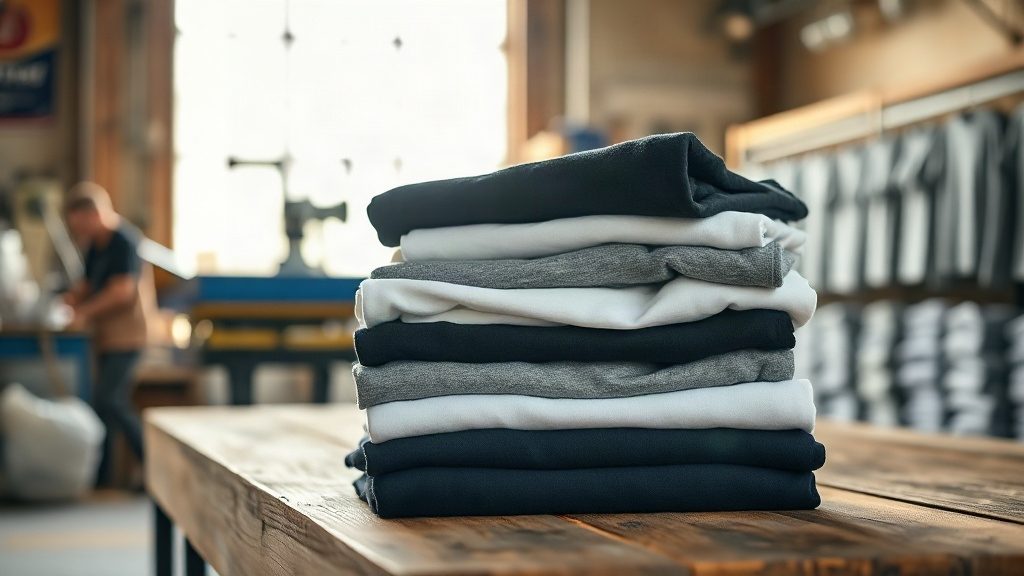
Walk into almost any screen-printing shop in a mid-sized American city and you will spot the same stack of blank tees on the back shelf. Somewhere in that stack, between the standard wholesale brands, there is usually a shaka wear box. It rarely gets the loudest shelf space, yet it keeps getting reordered. That quiet staying power is worth examining, because it explains why the brand has become a default choice for people who care more about how a shirt feels after fifty washes than how it looks in a product photo.
This guide covers what Shaka Wear actually makes, how the fabric weights differ across their lines, what the fits really do on a normal body, and where the brand fits into a wardrobe or a print operation. No hype, just the details that matter before you buy.
What Shaka Wear Is and Where It Came From
Shaka Wear is a Los Angeles-based apparel label that grew out of the same Southern California streetwear ecosystem that produced countless skate and surf brands. The name comes from the shaka gesture, the thumb-and-pinky hand sign associated with Hawaiian surf culture and adopted across the West Coast as a casual greeting. That origin story matters less than what it signals: this is a brand rooted in warm-weather, casual, everyday clothing rather than runway fashion.
The company's core business has always been heavyweight cotton basics, sold both as retail pieces and as blanks for screen printers, embroiderers, and small clothing labels. That dual identity shapes everything about the product. A shirt designed to be printed on has to hold up under heat presses and plastisol ink. A shirt designed to be worn daily has to survive repeated washing without twisting or thinning out. Meeting both requirements at once is harder than it sounds, and it is the main reason the brand has kept a loyal following.
Fabric Weight: The Number That Actually Matters
If you only check one spec before buying, check the fabric weight. It is measured in ounces per square yard (oz/yd²) in the US, and it tells you more about how a tee will feel and drape than any marketing copy.
How the weights break down
- 5.0 to 5.5 oz: Lightweight territory. Thin, breathable, prone to showing undershirt lines. Fine for summer layering, less ideal as a standalone tee.
- 6.0 to 6.5 oz: The middle ground most mainstream brands occupy. Comfortable, fairly durable, but still relatively thin in the hand.
- 7.0 to 7.5 oz: Where heavyweight territory begins. Noticeably denser, holds shape better, and resists the see-through problem.
- 8.0 oz and above: Genuinely heavy. These shirts feel substantial from the moment you pick them up and often stand away from the body slightly until broken in.
Most Shaka Wear tees land in the 6.5 to 7.5 oz range, with select styles pushing higher. That places them above typical fast-fashion tees and roughly in line with the better-known heavyweight American blanks. The practical result is a shirt that feels like it has some body to it without being stiff or uncomfortable in summer heat.
Why the cotton spec matters too
Weight is only half the equation. Shaka Wear generally uses combed ring-spun cotton, which means the fibers are aligned and spun tightly before weaving. Combed cotton feels smoother against the skin and sheds less lint over time. Carded open-end cotton, common in cheaper blanks, has a rougher hand and tends to pill faster. If you have ever wondered why two shirts at the same weight feel completely different, this is usually the reason.
Fit and Sizing: What to Expect on a Real Body
Shaka Wear leans toward a classic American cut rather than the slim, tapered silhouettes popular in European fashion. Shoulders sit where they should, the body has room through the chest and waist, and sleeves hit mid-bicep rather than hugging the arm.
A few practical notes from wearing and printing these shirts:
- True to size for most people. If you normally wear a large in a standard US tee, a large will likely fit correctly.
- Expect minimal shrinkage if you wash cold and tumble dry low. Hot water and high heat will still pull a cotton tee in, as with any brand.
- Size up for a boxy, relaxed look. The cut already has some room, so going one size up produces a distinctly oversized silhouette rather than a subtle change.
- Size down only if you want a fitted look and you are between sizes. The fabric does not stretch much, so an undersized heavy tee will feel restrictive.
One detail worth paying attention to is the collar. Heavier cotton ribbing holds its shape far better than the thin, single-stitch collars found on budget tees. After months of wear, the neckline on a well-made heavyweight tee still lies flat, which is often the first thing to fail on cheaper shirts.
Printing on Shaka Wear Blanks
For anyone running a small apparel brand or a print shop, blank selection is a business decision, not just an aesthetic one. A shirt that prints badly creates returns and angry customers.
What works well
The tight, combed cotton surface takes plastisol, water-based, and discharge inks cleanly. Because the fabric is dense, the ink sits on the surface rather than bleeding into the weave, which produces sharper edges on detailed artwork and small text. For embroidery, the heavier fabric supports denser stitch counts without puckering, which is a common failure point on thin blanks.
What to watch for
Heavyweight cotton requires slightly more ink coverage and a bit more cure time than lightweight shirts. If you are pressing transfers, raise the pressure slightly and follow the transfer paper's temperature guidance rather than relying on habit. Dark colors, particularly black and navy, can show a faint halo around white ink if the screen is not properly dried between passes.
One more consideration: heavyweight tees cost more per unit, so they push your retail price up. That is not automatically a problem. Customers who feel the difference in the hand are often willing to pay for it, and the reduced return rate on a sturdier shirt frequently offsets the higher upfront cost.
How Shaka Wear Compares to Other Heavyweight Brands
The heavyweight tee market has a handful of well-known names, and buyers reasonably want to know where Shaka Wear sits among them.
Against premium fashion-oriented heavyweight tees, Shaka Wear usually comes in at a lower price point with comparable fabric weight. The trade-off is typically in finishing details: a fashion label might offer a wider range of colorways, garment-dyed options, or specialty washes. Shaka Wear tends to stick to core colors and straightforward construction.
Against standard wholesale blanks, the difference is mostly in the hand feel and durability. Cheaper blanks often use lighter fabric and open-end cotton, which is why they feel thin and develop small holes around the collar within a year. The heavier, combed construction of a Shaka Wear tee is designed to avoid that outcome.
In short, it occupies a practical middle ground: better than budget blanks, more affordable than designer heavyweight tees, and consistent enough to reorder with confidence.
Care Tips to Make Heavyweight Tees Last
Heavy cotton is durable, but it is not indestructible. A few habits extend the life of any heavyweight tee significantly.
- Wash inside out in cold water. This protects the outer surface and reduces friction on any printed graphics.
- Skip the fabric softener. It coats cotton fibers and gradually reduces absorbency and softness.
- Tumble dry low or hang dry. High heat is the primary cause of shrinkage and collar distortion.
- Fold rather than hang if you have the space. Hanging a heavy wet or damp shirt on a thin hanger stretches the shoulders.
- Treat stains promptly with cold water, not hot. Hot water sets protein-based stains like sweat and blood.
Follow those steps and a quality heavyweight tee will typically outlast a lighter one by a wide margin, which changes the real cost per wear considerably.
Frequently Asked Questions About Shaka Wear
Is Shaka Wear true to size?
Yes, for most people. The brand uses a classic American cut, so if you wear a large in a standard US tee, a large should fit correctly. If you want a deliberately boxy or oversized look, size up one. If you are between sizes and prefer a fitted silhouette, size down, but keep in mind the fabric has limited stretch.
Does Shaka Wear shrink after washing?
Shrinkage is minimal when you wash in cold water and tumble dry on low. Like any cotton garment, hot water and high dryer heat will cause noticeable shrinkage and can distort the collar. Treating the shirt gently from the first wash onward keeps the fit consistent.
Are Shaka Wear shirts good for screen printing?
They are a solid choice for print shops and small brands. The tight, combed cotton weave accepts plastisol, water-based, and discharge inks well, and the denser fabric produces clean edges on detailed artwork. Expect to use slightly more ink and cure time than you would with lightweight blanks, and always run a test print before a full production run.
What is the difference between Shaka Wear and other heavyweight tee brands?
The main differences come down to price, color range, and finishing details. Shaka Wear generally costs less than fashion-oriented heavyweight labels while offering comparable fabric weight. It also sticks to core colors and straightforward construction rather than offering extensive garment-dyed or specialty-washed options.
How should I wash a heavyweight cotton tee to make it last?
Wash inside out in cold water, skip fabric softener, and either hang dry or tumble dry on low heat. Fold heavy tees instead of hanging them, since the weight of the fabric can stretch the shoulders over time when a damp shirt sits on a thin hanger.